Filler injections no longer use collagen, but a safer, longer-lasting and naturally occurring material such as hyaluronans. These are naturally found in all living tissues, including humans, and don’t require prior testing for allergy.
Fillers correct established facial lines and add volume to the treated areas (such as the cheeks or lips) while anti-wrinkle product relaxes the facial muscles that produce expression lines. In general, anti-wrinkle injections are best started before established lines (wrinkles, creases or furrows). On the other hand, fillers are only useful after the onset of established lines, except for shaping procedures – such as lip shaping – that can be carried out at any stage of adult life. Fillers are often used in conjunction with anti-wrinkle product, as their actions are synergistic. Most patients start with muscle relaxing anti-wrinkle injections (those 30 years and over) to reduce excessive expression lines that can lead to permanent wrinkles. For people aged 40 years and over, permanent lines and volume loss may have occurred, and these can be improved with fillers.
How does it work?
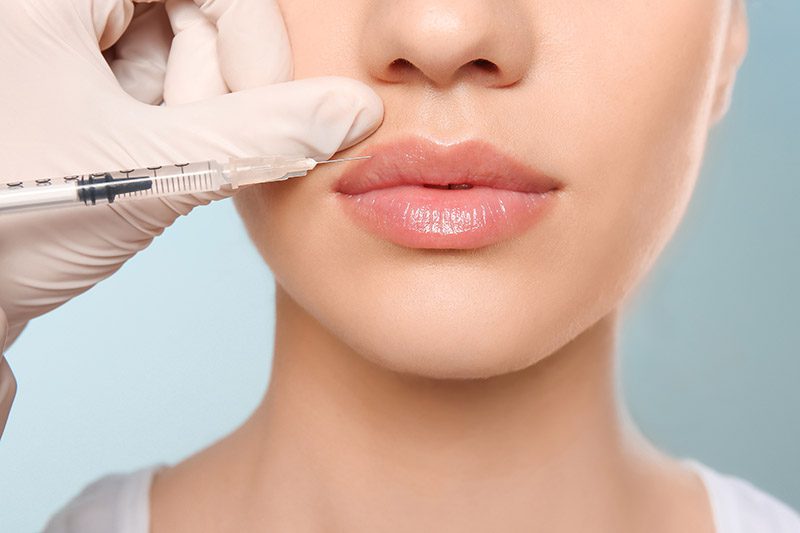
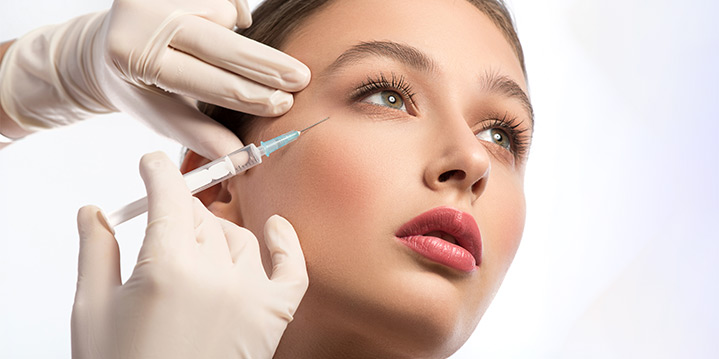
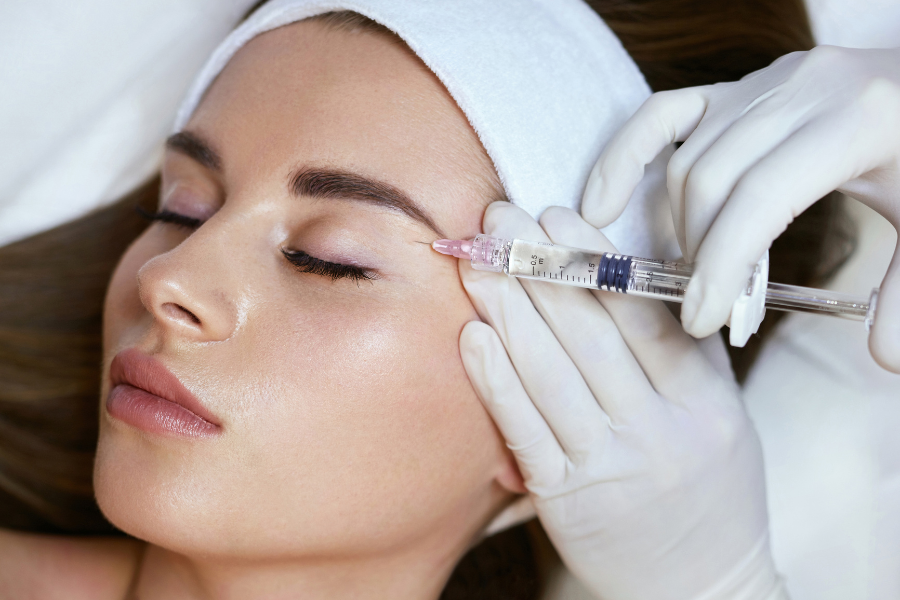
The procedure involves multiple fine injections to the treatment area. Anaesthetic may be required depending on the region. Around the lips where it’s sensitive, a cream anaesthetic applied 15–30 minutes beforehand may be helpful. Many patients find the application of ice alone sufficiently numbing to reduce the injection discomfort to a manageable level. At the completion of the treatment, the doctor or nurse may need to massage the treated area to help mould the filler into place.
What can Dermal fillers do for me?
Lip shaping
Lip definition
Lip plumping
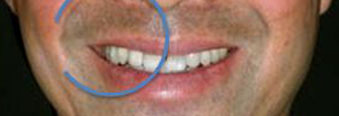
Elevate down-turning of mouth corners
Lines & furrows
Nasolabial furrows (side of nose to corner of mouth)
Marionette lines (corner of mouth to jaw)
Vertical frown lines between the eyebrows
Horizontal worry lines on forehead
Crows feet
Other shaping procedures
Cheek bones
Jaw Line
Contour correction of defects (acne, trauma, surgical)
Are Dermal fillers suitable for everyone?
We do not treat:
Pregnant or breast-feeding women
Children under the age of 18 without parental consent
Any area where current significant skin disease or infections such as cold sores at the site of treatment
Individuals with a history of collagen/ scarring/ connective tissue disorders
Any emotional, mental or medical condition that may impair judgement
Anyone with a history of significant adverse reactions to filler injections