
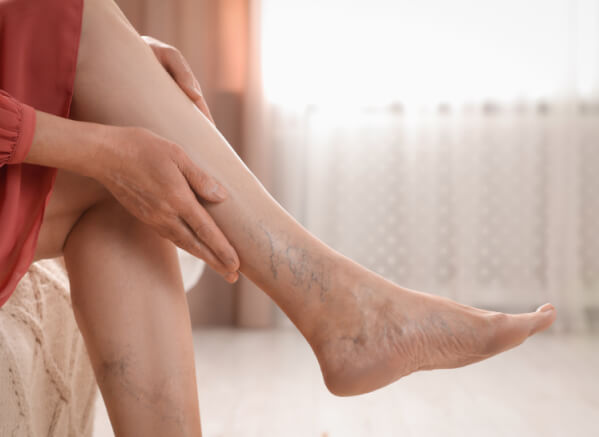
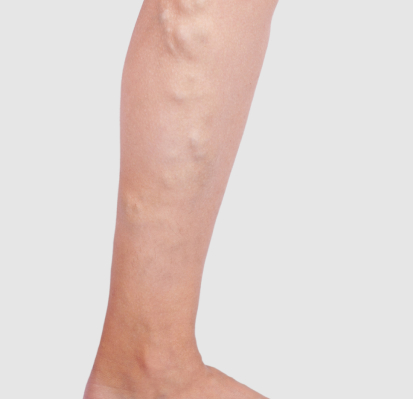
If you have visible leg veins – including fine purple spider veins, coarser reticular green veins, and large bulging varicose veins – you might want to consider sclerotherapy or endovenous laser ablation. It’s an extremely safe and effective way to get rid of them.
Before treating varicose veins, a Duplex scan is required to map the entire superficial venous network so that no ‘hidden’ varicosities are missed. The map provides information on the degree of venous reflux or incompetence as well as vein lumen diameter. Up to 50% of patients with fine spider veins may have associated larger vein problems that may not be immediately obvious or visible.
Sclerotherapy is the injection of sclerosants into abnormal veins with a fine needle. The sclerosant irritates the inner lining of the injected veins, and in combination with compression stockings, encourage the treated vein to collapse and shrivel. Blood no longer flows through the treated vessels, which over time becomes absorbed and recycled by the body. Many smaller tributaries can be simply and effectively treated with ultrasound-guided sclerotherapy.
Endovenous laser ablation (EVLA) of varicose veins uses a fibreoptic laser to heat-ablate intraluminal vein segments. EVLA offers high efficacy with low side effects/downtime and is considered a valid alternative to surgical stripping of varicose veins. EVLA has a recanalisation (failure) rate of 5% over five years and is more effective than ultrasound guided sclerotherapy for larger diameter veins.
Ambulatory Phlebectomy is another technique, used in our treatment room, to remove large varicose veins. The procedure consists of an injection of local anaesthetic around the varicose veins. Small hooks are used to remove the varicose vein.
This is done over a period of approximately 1-hour. You will be required to wear a bandage for 2 days after which time you will wear a compression stocking for approximately 10 days.
Cyanoacrylate (Venablock) Glue is a recent innovation in modern varicose vein treatment. The medical grade adhesive glue is delivered to the varicose veins via direct needle injections or a soft catheter. VenaBlock Glue is an alternative to surgical stripping of varicose veins. It is less invasive and associated with minimal downtime and complications. It is often used in conjunction with ultrasound-guided foam sclerotherapy (UGFS).
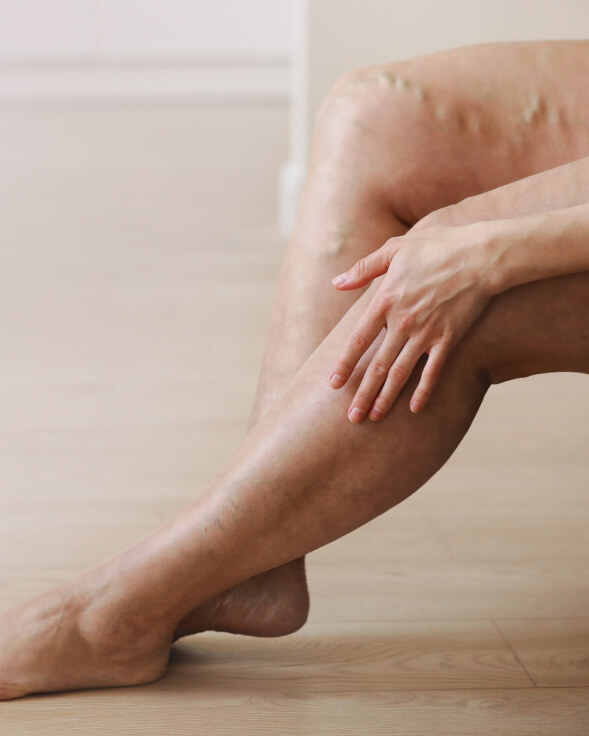
Sclerotherapy is the injection of sclerosants into abnormal veins with a fine needle. The sclerosant irritates the inner lining of the injected veins and in combination with compression stockings, encourages the treated vein to collapse and shrivel. Blood no longer flows through the treated vessel, which over time becomes absorbed and recycled by the body.
EVLA uses a fibre optic laser to heat-ablate vein segments to seal them off. EVLA offers high efficacy with low side effects and downtime and is considered a valid alternative to surgical stripping of varicose veins. EVLA is best for very large stem-veins whereas Ultrasound guided Sclerotherapy is best for the smaller branch-veins.
Ambulatory Phlebectomy is another technique used at Dermatology & Vein Institute to remove large varicose veins. The procedure consists of an injection of local anaesthetic around the varicose veins. Small hooks are used to remove the varicose vein.
A recent innovation in modern varicose vein treatment. The medical grade adhesive glue is delivered to the varicose veins via a needle. It is an alternative to surgical stripping of varicose veins, which is less invasive and associated with minimal downtime and complications.
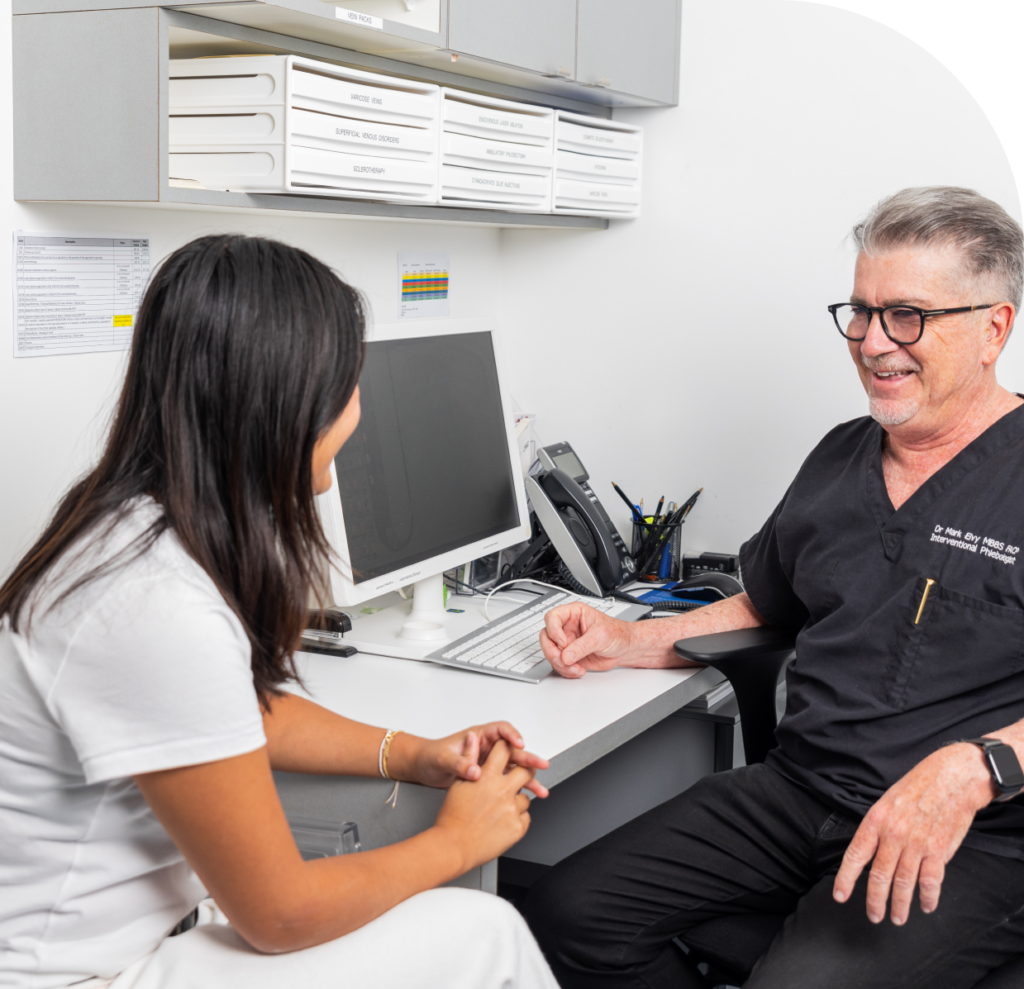
Dr Elvy, Dr Thibault and Dr Lim conduct all leg vein assessments and treatments at Dermatology & Vein Institute. Ask your GP for a referral to see Dr Elvy, Dr Thibault or Dr Lim and book a consultation.
If you’d like to know more about our Phlebology practice visit: legveinssydney.com.au.