
Top 12 Most Common Skin Conditions

Add Your Heading Text Here

Seen by Australian Dermatologists

Affects adolescents and adults; managed with topical, oral, hormonal, and procedural therapies.

Overview:

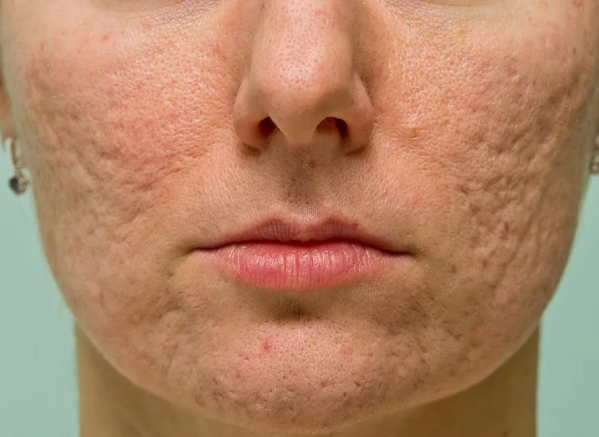
Acne is a chronic inflammatory skin condition of the pilosebaceous unit that commonly presents during adolescence but also affects adults, particularly women. It is the most common skin condition globally and frequently prompts dermatology referral due to its visibility and impact on self-esteem.

Clinical Features:

  • Comedones (open and closed)
  • Papules, pustules, nodules, and cysts
  • Post-inflammatory hyperpigmentation and scarring in longstanding or untreated cases

What Causes it:

  • Increased sebum production
  • Follicular hyperkeratinisation
  • Propionibacterium acnes colonisation
  • Inflammatory response

Management:

  • Topical agents: Retinoids (e.g., adapalene, tretinoin), benzoyl peroxide, topical antibiotics
  • Oral agents: Doxycycline, minocycline, erythromycin, isotretinoin
  • Hormonal therapy: Combined oral contraceptive pills, spironolactone (in adult women)
  • Procedural interventions: Comedone extraction, chemical peels, laser/light-based therapies

Referral Indications:

  • Nodulocystic or scarring acne
  • Recalcitrant cases
  • Psychosocial impact
  • Isotretinoin consideration

Chronic facial erythema, flushing, and sometimes pustules; often referred for persistent or resistant cases.

Overview:

Rosacea is a chronic, relapsing inflammatory facial dermatosis that typically affects adults aged 30–60. It is characterised by facial erythema, telangiectasia, papules, and pustules. Ocular involvement is common.

Subtypes:

  • Erythematotelangiectatic
  • Papulopustular
  • Phymatous (e.g., rhinophyma)
  • Ocular rosacea

Triggers:

  • UV exposure, temperature extremes, alcohol, spicy food, emotional stress, and skincare products.
    Management:
  • Topical: Metronidazole, azelaic acid, ivermectin
  • Oral: Doxycycline (low dose), tetracyclines
  • Laser/IPL: For telangiectasia and persistent erythema

Referral Indications:

  • Diagnostic uncertainty
  • Refractory cases
  • Ocular involvement
  • Cosmetic laser therapy

Common in both children and adults; chronic relapsing course; often referred for moderate-to-severe or treatment-resistant cases.

Overview:
Atopic dermatitis is a chronic, pruritic, inflammatory skin condition with a strong genetic and atopic diathesis. Common in children but can persist into or present in adulthood.

Clinical Features:

  • Dry, itchy, erythematous patches
  • Lichenification from chronic scratching
  • Typical distribution varies with age (face/extensor in children, flexural in adults)

Complications:

  • Secondary infections (e.g., Staph aureus, eczema herpeticum)
  • Sleep disturbance, behavioural impacts

Management:

  • Emollients and barrier repair
  • Topical corticosteroids and calcineurin inhibitors
  • Systemic: Antihistamines, ciclosporin, methotrexate, biologics (e.g., dupilumab)
  • Phototherapy

Referral Indications:

  • Moderate-severe or treatment-resistant disease
  • Diagnostic uncertainty
  • Suspected allergic contact dermatitis

A chronic inflammatory condition often requiring systemic therapies or phototherapy.

Overview:

Psoriasis is a chronic, immune-mediated inflammatory skin disease affecting 2–4% of the population. It has systemic associations including psoriatic arthritis, metabolic syndrome, and cardiovascular disease.

Clinical Variants:

  • Plaque psoriasis (most common)
  • Guttate
  • Inverse
  • Pustular
  • Erythrodermic (life-threatening)

Common Sites:

  • Scalp, elbows, knees, sacrum, nails

Management:

  • Topical: Corticosteroids, calcipotriol, coal tar
  • Phototherapy: Narrowband UVB
  • Systemic: Methotrexate, acitretin, cyclosporin
  • Biologics: TNF-alpha inhibitors, IL-17 and IL-23 inhibitors

Referral Indications:

  • Extensive disease
  • Nail or joint involvement
  • Recalcitrant or disabling symptoms

Common reasons for dermatology visits, often for reassurance or cosmetic removal.

Overview:

Seborrheic keratoses are benign epidermal growths, commonly seen in middle-aged and older adults. They are often pigmented and have a “stuck-on” appearance.

Clinical Relevance:

  • Very common cause of concern due to changes in colour, growth, or irritation
  • Important to differentiate from pigmented BCC or melanoma

Management:

  • Reassurance
  • Removal for cosmetic or symptomatic reasons (e.g., cryotherapy, curettage, shave excision)

Referral Indications:

  • Atypical features
  • Diagnostic uncertainty
  • Cosmetic removal

Precancerous lesions frequently treated with cryotherapy, topical agents, or field therapies.

Overview:
Actinic keratoses (AKs) are precancerous skin lesions caused by cumulative sun exposure. They may progress to invasive squamous cell carcinoma (SCC).

Presentation:

  • Rough, scaly papules on sun-exposed areas (scalp, face, hands)
  • Often asymptomatic or mildly tender

Management:

  • Spot treatment: Cryotherapy, curettage
  • Field treatment: Topical 5-fluorouracil, imiquimod, diclofenac gel, daylight PDT

Referral Indications:

  • Suspicion of invasive SCC
  • Non-responsive or recurrent lesions
  • High-risk patients (e.g., immunosuppressed)

Often referred for diagnosis, education, and discussion of treatment options.

Overview:
Vitiligo is an acquired depigmenting condition resulting from autoimmune melanocyte destruction. Other common pigmentary disorders include melasma, post-inflammatory hypopigmentation, and pityriasis alba.

Clinical Features:

  • Well-demarcated depigmented macules/patches
  • Often symmetrical and progressive

Management:

  • Topicals: Potent corticosteroids, calcineurin inhibitors
  • Phototherapy: Narrowband UVB
  • Adjuncts: Cosmetic camouflage, psychological support

Referral Indications:

  • Rapid progression
  • Diagnostic uncertainty
  • Extensive disease
  • Consideration for phototherapy

Increasing presentations, especially with public awareness; often requires specialised management.

Overview:
Hair loss is a frequent cause of dermatology consultation, particularly for distressing or scarring conditions.

Non-scarring types:

  • Androgenetic alopecia (pattern hair loss)
  • Telogen effluvium
  • Alopecia areata (autoimmune)

Scarring types:

  • Lichen planopilaris
  • Frontal fibrosing alopecia
  • Discoid lupus

Management:

  • Topicals: Minoxidil, corticosteroids
  • Orals: Finasteride (men), spironolactone (women), systemic immunosuppressants for autoimmune forms
  • Procedures: PRP, hair transplantation (select cases)

Referral Indications:

  • Diagnostic biopsy
  • Rapid or scarring loss
  • Psychological impact

Male and female pattern hair loss is common and frequently causes significant distress.

Common occupational or lifestyle-related skin condition; often investigated with patch testing.

Overview:
Contact dermatitis is inflammation of the skin caused by direct exposure to irritants or allergens. It is common in occupational and domestic settings.

Types:

  • Irritant (e.g., detergents, solvents)
  • Allergic (e.g., nickel, fragrances, preservatives)

Diagnosis:

  • Clinical history and distribution
  • Patch testing (for allergic subtype)

Management:

  • Allergen/irritant avoidance
  • Topical corticosteroids
  • Barrier repair with emollients

Referral Indications:

  • Persistent or severe disease
  • Occupational relevance
  • Need for patch testing

Overview:
Urticaria presents as transient wheals and/or angioedema. Chronic spontaneous urticaria lasts >6 weeks and can severely impact quality of life.

Other itch syndromes:

  • Chronic pruritus of unknown origin
  • Neuropathic itch
  • Systemic disease-related itch (e.g., renal, hepatic)

Management:

  • High-dose second-generation antihistamines
  • Omalizumab for refractory urticaria
  • Investigation of systemic causes in chronic itch

Referral Indications:

  • Non-responsive to standard therapy
  • Atypical features or systemic associations
  • Consideration for biologics or further workup

Includes basal cell carcinoma (BCC), squamous cell carcinoma (SCC) and melanoma; common due to Australia’s high UV exposure.

Australia has among the highest incidence rates globally; dermatologists play a key role in early detection and surveillance.

Overview:
Australia has the highest incidence of skin cancer globally, attributed to high UV exposure and a predominantly fair-skinned population.

Types:

  • Basal Cell Carcinoma (BCC): Slow-growing, locally destructive
  • Squamous Cell Carcinoma (SCC): May metastasise, especially in high-risk sites or immunosuppressed patients
  • Melanoma: High mortality if not detected early

Management:

  • Diagnosis: Dermoscopy, biopsy
  • Treatment: Surgical excision, Mohs surgery, topical agents (superficial BCC), radiotherapy
  • Advanced melanoma: Immunotherapy (checkpoint inhibitors), targeted therapy (BRAF/MEK inhibitors)

Referral Indications:

  • Suspicious pigmented lesions
  • Histologically confirmed cancers
  • High-risk or complex surgical planning

Please refer to the cosmetic dermatology section.
Why See a Dermatologist for Skin Concerns?

  • Accurate diagnosis with years of specialised training
  • Access to advanced treatments not available over the counter
  • Holistic, long-term management for chronic conditions
  • Guidance on skin care products and routines suited to your skin type
  • Support with both the physical and emotional impact of skin concerns

Personalised, Compassionate Skin Care

At DVIA, we take the time to listen to your concerns and create a treatment plan that works for your skin, your lifestyle, and your goals. Whether your condition is medical, cosmetic, or a combination of both, our experienced team is here to help.

Struggling with a skin concern? Let us take care of it.

Book a consultation with a dermatologist at DVIA today.