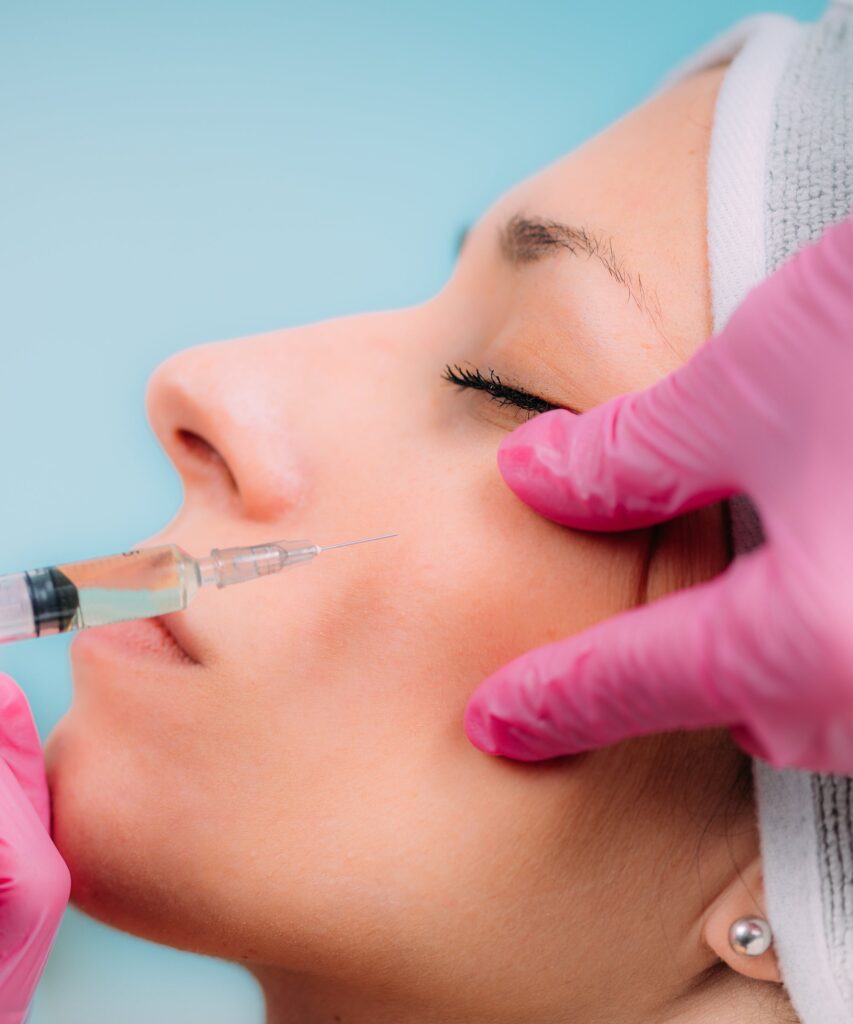
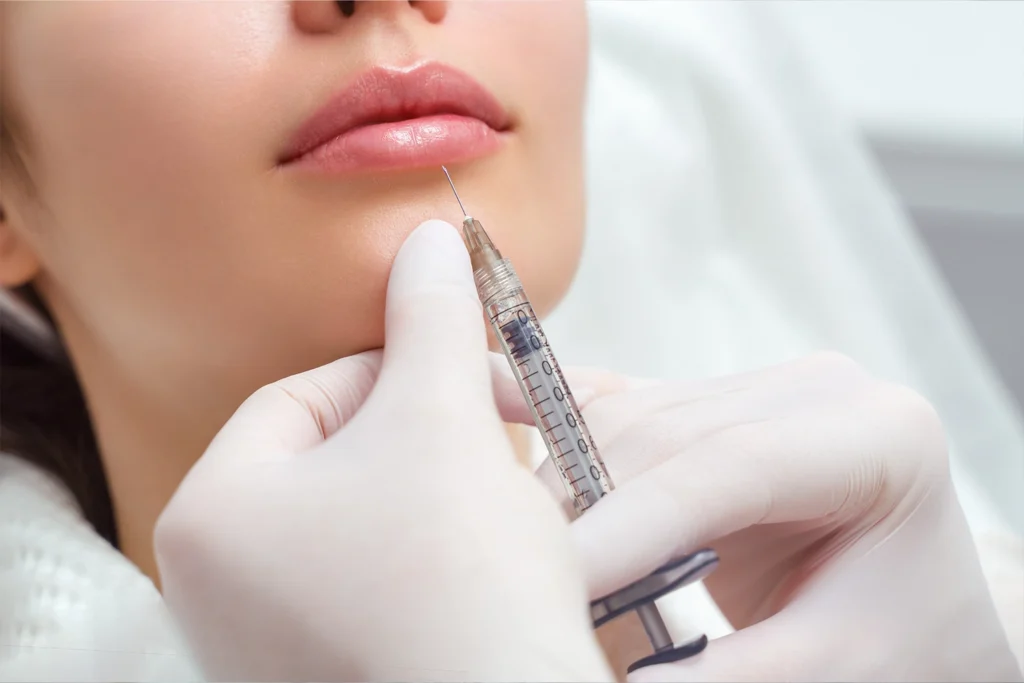
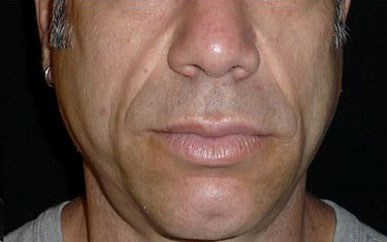
This filleris an injectable skin fillerthat can ‘plump up’ the skin to appear smoother and fuller. The product is a synthetic substance made up of chains of lactic acid. It is manufactured as a fine powder that is reconstituted in sterile water for injections. It is naturally degraded in the skin to a natural by-product that is safely cleared by the body. The product has been in use in medicine for 20 years and is used to manufacture certain dissolvable stitches.
How does it work?
When injected into the skin, it gradually stimulates natural deposition of collagen to thicken and smoothen the skin. As it gets absorbed over time, the volume enhancing effects persist due to an increase in skin collagen triggered by the product.
What does the procedure involve?
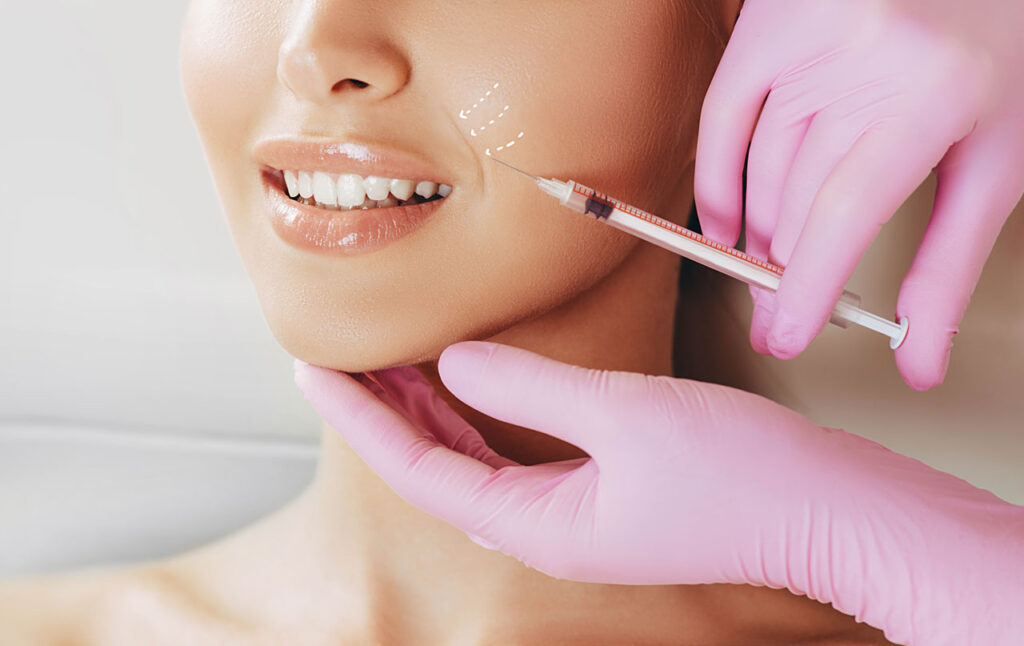
Multiple fine injections into the cheeks and areas of the face that appear hollow or sunken. The procedure can be done without anaesthetic, but a cream anaesthetic is applied 15–30 mins beforehand to make the procedure more comfortable. Ice can be used to effectively numb the skin prior to the injections. The treated area is also massaged by the doctor or nurse after the injections.
What conditions can benefit from Poly-L-lactic acid fillers?
Fine wrinkling
Loss of skin volume
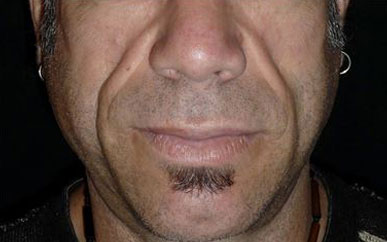
Increased skin folds & coarse wrinkles
Hollow or sunken cheeks through weight loss, illness or disease
HIV & other disease related to wasting of the face